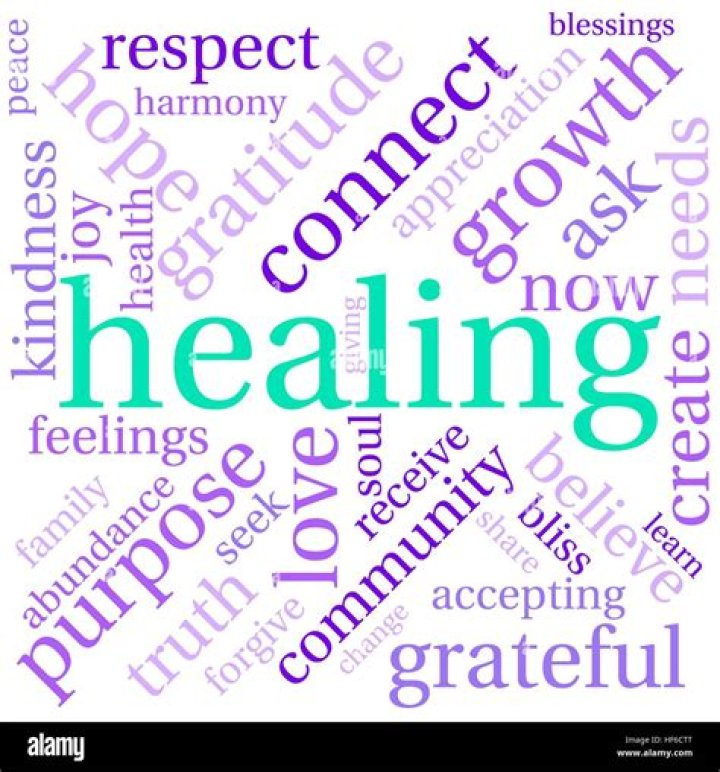
Expressing appreciation for friends and family is a meaningful way to strengthen relationships and foster a sense of belonging. Appreciation messages can take many forms, from heartfelt letters and cards to thoughtful gestures and acts of service, and can be tailored to the unique qualities and contributions of each individual. By acknowledging and celebrating the positive impact that friends and family have on our lives, we not only boost their self-esteem but also deepen our own feelings of gratitude and connection.
The importance of expressing appreciation to loved ones cannot be overstated. In an era marked by fast-paced lifestyles and constant distractions, it's easy to take the presence of friends and family for granted. Appreciation messages serve as a powerful reminder of the value they bring to our lives, fostering a sense of mutual respect and understanding. Moreover, expressing appreciation has been shown to have numerous psychological benefits, including increased happiness, reduced stress, and enhanced feelings of self-worth.
There are countless ways to express appreciation to friends and family. Some popular methods include writing heartfelt letters or cards, sending thoughtful gifts, offering acts of service, or simply spending quality time together. The most important thing is to choose a method that feels authentic and meaningful to you. Here are a few specific examples of appreciation messages that you can use as inspiration:
appreciation messages to friends and family
Appreciation messages to friends and family are a powerful way to express gratitude and strengthen relationships. They can take many forms, from heartfelt letters to thoughtful gestures, and can be tailored to the unique qualities and contributions of each individual.
- Thoughtful: Appreciation messages should be heartfelt and meaningful, showing that you've put thought into what you're saying.
- Specific: Be specific about what you're grateful for. This will make your message more impactful and personal.
- Sincere: Your appreciation should be genuine and come from the heart. Avoid using generic or insincere language.
- Timely: Expressing appreciation in a timely manner shows that you're not taking the other person for granted.
- Regular: Make it a habit to express appreciation to your friends and family on a regular basis, not just on special occasions.
- Personalized: Tailor your appreciation messages to each individual, reflecting their unique qualities and contributions.
- Creative: Get creative with your appreciation messages. This will make them more memorable and meaningful.
- Verbal and Nonverbal: Express appreciation both verbally and nonverbally. This can include writing letters, sending gifts, offering acts of service, or simply spending quality time together.
- Reciprocal: Appreciation is a two-way street. Be sure to express appreciation to those who express appreciation to you.
- Beneficial: Expressing appreciation has numerous benefits, including increased happiness, reduced stress, and enhanced feelings of self-worth.
By following these key aspects, you can express appreciation to your friends and family in a meaningful and impactful way. This will not only strengthen your relationships but also make you a happier and more fulfilled person.
Thoughtful
Thoughtful appreciation messages are essential for building strong relationships with friends and family. When you take the time to express your appreciation in a meaningful way, it shows that you care about the other person and that you value their presence in your life. Thoughtful appreciation messages can be simple, but they should always be sincere and heartfelt.
There are many ways to express your appreciation for friends and family. You can write them a letter or card, send them a gift, or simply tell them how much you care in person. No matter what method you choose, make sure that your message is personal and specific. Avoid using generic or insincere language. Instead, focus on what you specifically appreciate about the other person. For example, you could tell them how much you value their friendship, their support, or their sense of humor.
Expressing appreciation in a thoughtful way can have a number of benefits. It can strengthen your relationships, boost the other person's self-esteem, and make you feel happier and more fulfilled. Taking the time to show your appreciation for friends and family is one of the best ways to invest in your relationships and make the world a better place.
Specific
When expressing appreciation to friends and family, it's important to be specific about what you're grateful for. This will make your message more meaningful and personal, and it will show the other person that you've really put thought into what you're saying.
- Identifying Unique Qualities: Instead of simply saying "I'm grateful for you," take the time to identify the specific qualities that you appreciate about the other person. For example, you could say "I'm grateful for your kindness, your sense of humor, and your unwavering support."
- Recalling Specific Instances: Another way to be specific in your appreciation is to recall specific instances where the other person has made a positive impact on your life. For example, you could say "I'm grateful for the time you helped me through a difficult situation" or "I'm grateful for the way you always make me laugh."
- Expressing Appreciation for Tangible Contributions: In addition to expressing appreciation for personal qualities, you can also express appreciation for tangible contributions that the other person has made. For example, you could say "I'm grateful for the delicious meal you cooked" or "I'm grateful for the help you gave me with my project."
- Acknowledging Thoughtfulness: Even small acts of thoughtfulness can make a big difference in our lives. When expressing appreciation to friends and family, be sure to acknowledge the thoughtful things they do, no matter how small. For example, you could say "I'm grateful for the way you always remember my birthday" or "I'm grateful for the way you always make me feel welcome."
By being specific in your appreciation, you can show friends and family how much you care about them and how much you value their presence in your life. Taking the time to express your appreciation in a meaningful way can strengthen your relationships and make the world a better place.
Sincere
When expressing appreciation to friends and family, it is important to be sincere and genuine. This means that your appreciation should come from the heart and not simply be something that you say because you feel obligated to do so. Generic or insincere appreciation messages can actually be more harmful than helpful, as they can make the recipient feel like you don't really care about them.
- Be honest: Ask yourself if your appreciation is genuine, or if you are only saying it because you feel like you have to. If you are not sure, then it is better to err on the side of caution and not say anything at all.
- Be specific: When expressing your appreciation, be sure to be specific about what you are grateful for. This will make your message more meaningful and personal. For example, instead of saying "I'm grateful for you," you could say "I'm grateful for your friendship, your support, and your sense of humor."
- Be heartfelt: Your appreciation should come from the heart. This means that you should put thought into what you are saying and make sure that your words are sincere. Avoid using generic or insincere language, as this can make your message sound fake.
- Be timely: Expressing your appreciation in a timely manner shows that you are not taking the other person for granted. Make an effort to express your appreciation soon after the person has done something that you are grateful for.
By following these tips, you can ensure that your appreciation messages to friends and family are sincere and genuine. This will help you to strengthen your relationships and show your loved ones how much you care.
Timely
Expressing appreciation in a timely manner is an important aspect of showing genuine appreciation to friends and family. When you take the time to express your gratitude shortly after someone has done something you appreciate, it sends the message that you are not taking their actions for granted.
- Strengthens Relationships: Expressing appreciation in a timely manner can help to strengthen relationships by showing the other person that you value their contributions. When people feel appreciated, they are more likely to continue doing the things that make you happy.
- Demonstrates Attentiveness: Expressing appreciation in a timely manner shows that you are paying attention to the things that people do for you. This can make them feel seen and valued, which can lead to stronger relationships.
- Prevents Resentment: If you wait too long to express your appreciation, the other person may start to feel resentful. This is because they may feel like you are taking their actions for granted or that you do not appreciate them. Expressing appreciation in a timely manner can help to prevent these feelings from developing.
- Creates a Positive Feedback Loop: Expressing appreciation in a timely manner can create a positive feedback loop. When people feel appreciated, they are more likely to do things that make you happy, which in turn makes you more likely to express appreciation. This can lead to a cycle of positive reinforcement that can strengthen your relationships.
Overall, expressing appreciation in a timely manner is an important part of showing genuine appreciation to friends and family. By taking the time to express your gratitude shortly after someone has done something you appreciate, you can strengthen your relationships, demonstrate attentiveness, prevent resentment, and create a positive feedback loop.
Regular
Expressing appreciation to friends and family is not just limited to special occasions or grand gestures. Regular expressions of appreciation, no matter how small, can have a profound impact on strengthening relationships and fostering a sense of belonging.
- Builds Stronger Bonds: Regular appreciation helps build stronger bonds between friends and family. It creates a positive feedback loop where individuals feel valued and supported, leading to increased closeness and trust.
- Fosters a Culture of Gratitude: When appreciation becomes a regular practice, it fosters a culture of gratitude within families and friend circles. Members become more attuned to the positive contributions of others, promoting a sense of appreciation and well-being.
- Prevents Take-for-Granted Syndrome: Regular appreciation prevents the "take-for-granted" syndrome, where the contributions of loved ones become unnoticed or undervalued. It serves as a reminder of the importance of acknowledging and cherishing the people in our lives.
- Strengthens Communication: Expressing appreciation regularly opens up channels of communication between friends and family. It encourages individuals to share their feelings, concerns, and aspirations, strengthening the emotional bonds that connect them.
Incorporating regular appreciation into daily interactions not only benefits the recipient but also enriches the giver. It cultivates a mindset of gratitude, reinforces positive relationships, and creates a more fulfilling and harmonious environment for all involved.
Personalized
In the realm of expressing gratitude to friends and family, personalization stands as a cornerstone principle, elevating appreciation messages from generic gestures to heartfelt acknowledgements of each individual's unique essence and contributions.
- Recognizing Individuality: Personalized appreciation messages begin with recognizing the distinctive qualities that make each person special. Consider their strengths, interests, and values, crafting messages that resonate deeply with their individuality.
- Celebrating Unique Contributions: Every individual contributes to our lives in their own way. Appreciation messages should specifically acknowledge and celebrate these unique contributions, demonstrating that their efforts are recognized and valued.
- Tailoring to Specific Interests: Personalization extends to understanding the specific interests and passions of friends and family. Incorporating references or allusions that align with their hobbies or pursuits adds a thoughtful touch that shows you know and care about them.
- Creating Meaningful Connections: When appreciation messages are tailored to each individual, they foster a deeper sense of connection and understanding. They convey that you have taken the time to truly consider their unique qualities, strengthening the emotional bond between you.
By embracing personalization in appreciation messages to friends and family, you transform these expressions of gratitude into powerful tools for building stronger relationships, nurturing a culture of appreciation, and creating a lasting legacy of love and connection.
Creative
In the realm of expressing gratitude towards friends and family, creativity plays a pivotal role in crafting appreciation messages that transcend the ordinary and leave a lasting impression. By embracing creative approaches, we can transform these messages into heartfelt expressions that resonate deeply with the recipient and strengthen the bonds of love and connection.
- Artistic Expression: Unleash your artistic talents to create visually appealing appreciation messages. Design personalized cards adorned with heartfelt drawings, paint vibrant canvases expressing your gratitude, or craft unique sculptures that symbolize your appreciation.
- Personalized Storytelling: Craft narratives that recount specific moments or experiences shared with your loved ones. Weave together anecdotes, memories, and emotions to create a compelling and emotionally resonant story that conveys your appreciation.
- Interactive Gestures: Engage your loved ones with interactive appreciation messages. Create puzzles or games that lead them on a journey of gratitude, or organize a scavenger hunt with clues that express your appreciation for their unique qualities.
- Sensory Experiences: Appeal to the senses to create immersive and memorable appreciation messages. Bake a cake decorated with heartfelt messages, curate a playlist of songs that evoke cherished memories, or create a soothing aromatherapy experience to express your gratitude.
By incorporating creativity into your appreciation messages, you not only express your gratitude but also create a lasting legacy of love and connection. These messages become cherished keepsakes that your friends and family will treasure for years to come, serving as constant reminders of the deep bonds you share.
Verbal and Nonverbal
Verbal and nonverbal expressions of appreciation are both essential components of effectively conveying gratitude to friends and family. Verbal expressions, such as spoken words, written letters, or video messages, allow us to explicitly communicate our appreciation and acknowledge the specific actions or qualities we value. Nonverbal expressions, on the other hand, encompass a wide range of behaviors and gestures that convey appreciation through actions rather than words.
The combination of verbal and nonverbal expressions creates a powerful and meaningful way to show appreciation. Verbal expressions establish a clear and direct message of gratitude, while nonverbal expressions reinforce and amplify this message by demonstrating our commitment and sincerity. For example, writing a heartfelt letter expressing appreciation for a friend's support can be complemented by offering practical help during a difficult time. Similarly, sending a thoughtful gift to a family member can be enhanced by spending quality time with them, engaging in activities that foster connection and shared experiences.
The importance of expressing appreciation both verbally and nonverbally lies in the fact that they fulfill different yet complementary roles in strengthening relationships. Verbal expressions provide a clear and direct acknowledgment of gratitude, while nonverbal expressions demonstrate the depth of our appreciation and willingness to invest time and effort in the relationship. By incorporating both verbal and nonverbal expressions into our appreciation messages, we create a comprehensive and impactful way to convey our gratitude and foster stronger bonds with our loved ones.
Reciprocal
In the context of appreciation messages to friends and family, reciprocity plays a crucial role in fostering and maintaining strong relationships. Appreciation is not merely a one-sided gesture; it is a reciprocal exchange that benefits both the giver and the receiver.
- Acknowledging Appreciation: When someone expresses appreciation for you, it is essential to acknowledge their gesture and reciprocate with your own expression of gratitude. This shows that you value their appreciation and that you are attentive to their feelings.
- Strengthening Bonds: Reciprocal appreciation strengthens the bonds between friends and family members. It creates a positive feedback loop where each person feels valued and supported, leading to increased closeness and intimacy.
- Fostering Respect: Expressing appreciation to those who appreciate you demonstrates respect and consideration. It shows that you recognize and appreciate their positive qualities and that you value their presence in your life.
- Creating a Culture of Gratitude: When appreciation becomes a reciprocal practice within a family or friend group, it fosters a culture of gratitude. This encourages individuals to be more mindful of the positive contributions of others and to express their appreciation more frequently.
By embracing reciprocity in appreciation messages to friends and family, we create a positive and supportive environment where everyone feels valued and connected. It is through this reciprocal exchange that we build stronger relationships, foster a culture of gratitude, and create a lasting legacy of love and appreciation.
Beneficial
Expressing appreciation to friends and family is not only a kind and thoughtful gesture but also a mutually beneficial practice that can enhance the well-being of both the giver and the recipient. Research has consistently shown that expressing gratitude has numerous psychological and emotional benefits, including:
- Increased Happiness: Expressing appreciation releases endorphins, which have mood-boosting effects. Studies have shown that people who regularly express gratitude tend to be happier and more optimistic.
- Reduced Stress: Appreciation can help reduce stress and anxiety levels. When we focus on the positive aspects of our lives and relationships, we are less likely to dwell on negative thoughts and experiences.
- Enhanced Feelings of Self-Worth: Expressing appreciation to others can also enhance our own feelings of self-worth. When we acknowledge the positive qualities of others, it reminds us of our own positive qualities and contributions.
These benefits of expressing appreciation make it an essential component of healthy and fulfilling relationships with friends and family. By incorporating gratitude into our interactions, we not only strengthen our bonds with loved ones but also contribute to our own happiness and well-being.
Incorporating appreciation into our daily lives can be as simple as taking a few moments each day to reflect on the things we are grateful for, writing a heartfelt letter or sending a thoughtful gift to a loved one, or simply offering a sincere compliment. The key is to be genuine and specific in our expressions of appreciation. When we take the time to show our friends and family how much we care and appreciate them, we create a positive and supportive environment that benefits everyone involved.
FAQs on Appreciation Messages to Friends and Family
Expressing appreciation to friends and family is a vital aspect of maintaining healthy and fulfilling relationships. Here are some frequently asked questions to help you understand the importance and benefits of expressing gratitude:
Question 1: Why is it important to express appreciation to friends and family?
Answer: Expressing appreciation strengthens bonds, fosters a positive atmosphere, boosts happiness, reduces stress, and elevates self-worth.
Question 2: How frequently should I express appreciation?
Answer: Regularly expressing gratitude, both verbally and nonverbally, can significantly enhance relationships.
Question 3: Is it more meaningful to express appreciation in person or in writing?
Answer: Both methods are effective, choose the one that best suits the situation and individual preferences.
Question 4: What are some creative ways to express appreciation?
Answer: Personalized gifts, handwritten letters, acts of service, or thoughtful gestures can make your appreciation unique and memorable.
Question 5: Is it necessary to express appreciation even for small acts of kindness?
Answer: Acknowledging all acts of kindness, regardless of size, demonstrates your attentiveness and strengthens the relationship.
Question 6: How can I encourage others to express appreciation?
Answer: Model grateful behavior, encourage open communication, and create a supportive environment where appreciation is valued.
In summary, expressing appreciation to friends and family is a crucial part of nurturing strong relationships. By making gratitude a regular practice, we foster a positive and supportive environment where everyone feels valued and connected.
To explore more about expressing appreciation, refer to the following article section.
Tips for Expressing Appreciation to Friends and Family
Expressing appreciation to our loved ones is crucial for maintaining strong and healthy relationships. Here are some tips to help you effectively convey your gratitude:
Be Sincere and Specific: Genuine expressions of appreciation carry more weight. Avoid generic phrases and instead focus on specific actions or qualities you value in your friends and family. For example, instead of saying "I'm grateful for you," say "I appreciate your unwavering support and encouragement."
Personalize Your Message: Tailor your appreciation messages to each individual, acknowledging their unique contributions and qualities. Consider their interests, hobbies, or recent accomplishments to make your message more meaningful.
Express Gratitude Regularly: Don't limit your expressions of appreciation to special occasions. Make it a habit to acknowledge your loved ones' contributions throughout the year, both big and small.
Use Both Verbal and Nonverbal Cues: Expressing appreciation through words is important, but nonverbal cues can amplify your message. A warm smile, a thoughtful gesture, or a handwritten note can convey your gratitude effectively.
Consider Different Communication Channels: Whether it's a heartfelt letter, a phone call, a text message, or a social media post, choose the communication channel that best suits the situation and your loved one's preferences.
Follow Up with Actions: Expressing appreciation is not just about words. Demonstrate your gratitude through thoughtful actions, such as offering practical help, spending quality time together, or giving a meaningful gift.
Encourage Reciprocity: Appreciation is a two-way street. Encourage your friends and family to express their appreciation for you as well. This fosters a positive cycle of gratitude and strengthens your relationships.
By incorporating these tips into your interactions, you can effectively express your appreciation to your friends and family, fostering stronger bonds and creating a more positive and fulfilling environment for all.
Remember, the most important aspect of expressing appreciation is sincerity and authenticity. Let your loved ones know how much you value them and appreciate their presence in your life.
Conclusion
Throughout this exploration of appreciation messages to friends and family, we have delved into their importance, benefits, and effective expression. Appreciation serves as a cornerstone of strong and fulfilling relationships, fostering a sense of value, connection, and well-being among loved ones.
By expressing gratitude regularly, specifically, and sincerely, we not only acknowledge the positive contributions and qualities of our friends and family but also cultivate a positive and supportive environment. Appreciation strengthens bonds, reduces stress, boosts happiness, and enhances self-worth for both the giver and the recipient.
Let us embrace the power of appreciation and make it an integral part of our interactions with friends and family. By doing so, we create a ripple effect of gratitude that strengthens our relationships, fosters a culture of positivity, and ultimately enriches our lives and the lives of those around us.
Unveiling The Power: A Guide To The Best Prayer For A Friend
Unveil The Power Of Inspirational Wednesday Images: Discoveries And Insights For Your Growth
Uncover Hidden Treasures And Insider Tips:Casey Storage Wars Instagram